
 Free Quote
NEWS
Master Global Shipping: Road, Sea & Air Transport Explained
Release time:2024-08-14 16:23
In the realm of global logistics, selecting the right mode of transportation is crucial to ensuring that goods are delivered efficiently, safely, and cost-effectively. With the increasing demand for international shipping, understanding the different modes of transportation and their respective advantages has become essential for businesses and individuals alike. This guide will explore the key modes of transportation—road, maritime, and air—and provide insights into their benefits and ideal applications in the context of global shipping.
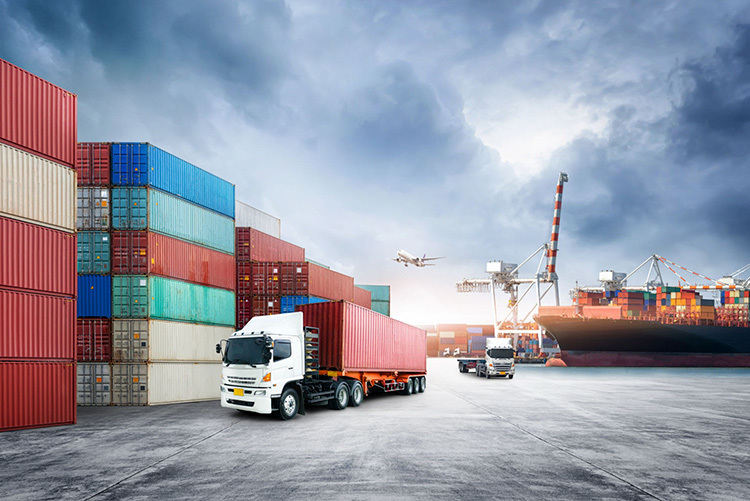
Road Transportation: Flexibility and Accessibility
Road transportation remains one of the most common and versatile modes of transportation for global shipping, particularly for shorter distances and domestic routes. This method involves the movement of goods using trucks, vans, or other vehicles via road networks, making it an accessible option for many businesses.
Benefits of Road Transportation
1. Door-to-Door Service: One of the primary advantages of road transportation is its ability to provide door-to-door service. Goods can be picked up directly from the supplier’s location and delivered straight to the customer’s doorstep, minimizing handling and reducing the risk of damage.
2. Suitable for Rural Areas: Road transportation excels in areas where other modes may be less effective, particularly in rural or remote regions. The extensive network of roads ensures that even hard-to-reach areas can receive goods without significant delays.
3. Flexibility in Route and Schedule: Unlike other transportation methods, road transport offers flexibility in both route and scheduling. In cases of unexpected delays or changes in the delivery plan, routes can be easily altered to ensure timely delivery.
4. Convenient for Short Distances: For shipping goods over short distances, road transportation is often the most convenient and cost-effective option. It allows for quick loading and unloading, making it ideal for last-mile delivery services.
However, road transportation does have its limitations, particularly for long-distance or international shipping. The capacity of vehicles is often limited, and factors such as traffic congestion and road conditions can impact delivery times. Additionally, road transport may not be the most eco-friendly option, especially for large-scale shipments over long distances.
Maritime Transportation: The Backbone of Global Trade
Maritime transportation is the backbone of global trade, facilitating the movement of large quantities of goods across the world's oceans. This mode of transportation is particularly suited for heavy, bulky, or high-volume goods that need to be transported over long distances.
Benefits of Maritime Transportation
1. Ideal for Large and Heavy Items: Maritime transport offers vast cargo space, making it the best option for shipping large, heavy, or high-volume items. Whether it’s raw materials, industrial equipment, or consumer goods, ocean shipping can handle it all.
2. Cost-Effective for Long Distances: When it comes to transporting goods over long distances, maritime transportation is often the most cost-effective solution. The cost per unit of cargo decreases significantly as the volume of goods increases, making it an economical choice for international shipping.
3. Eco-Friendly Shipping Option: Compared to road and air transportation, maritime transport is more environmentally friendly. Ships produce lower emissions per ton of cargo carried, reducing the carbon footprint of shipping operations. Additionally, advancements in ship design and fuel efficiency continue to improve the environmental performance of maritime transport.
4. Reliable for Bulk Shipments: Maritime transportation is highly reliable for bulk shipments, as it can accommodate large quantities of goods in a single trip. This is particularly beneficial for industries that require regular, large-scale imports or exports.
Despite its many advantages, maritime transportation is not without challenges. Transit times can be lengthy, especially when goods need to travel across multiple oceans and pass through various customs checkpoints. Additionally, maritime transport can be influenced by weather conditions, port congestion, and geopolitical factors, which may cause delays.
Air Transportation: Speed and Efficiency
Air transportation is the fastest mode of transportation available for global shipping, making it the preferred choice for time-sensitive deliveries. Whether it’s perishable goods, high-value items, or urgent documents, air transport offers unparalleled speed and reliability.
Benefits of Air Transportation
1. Fast Delivery Times: The most significant advantage of air transportation is its speed. Goods can be transported across continents within hours, making it the best option for urgent shipments. This is particularly beneficial for industries such as pharmaceuticals, electronics, and fashion, where timely delivery is crucial.
2. Suitable for Fragile and Lightweight Goods: Air transport is ideal for shipping fragile, valuable, or lightweight goods that require careful handling. The controlled environment of cargo holds and the short transit times reduce the risk of damage during transportation.
3. Access to Remote Locations: Air transportation can reach locations that may be difficult to access by road or sea, such as landlocked countries or remote islands. This makes it a vital mode of transportation for international logistics, especially in regions with limited infrastructure.
4. High Level of Security: Air transport offers a high level of security, with strict regulations and protocols in place to protect cargo from theft, damage, or tampering. This is particularly important for high-value or sensitive shipments.
While air transportation offers many advantages, it is also the most expensive mode of transportation. The cost of air freight is significantly higher than that of road or maritime transport, making it less suitable for low-value or bulk shipments. Additionally, air transport is subject to weight and size limitations, which may restrict the types of goods that can be shipped by air.
Choosing the Right Mode of Transportation
Selecting the appropriate mode of transportation for your shipping needs depends on several factors, including the nature of the goods, the distance to be covered, the required delivery time, and budget constraints. Here's a quick guide to help you choose the best option:
- For Short Distances and Last-Mile Deliveries: Road transportation is often the best choice due to its flexibility, accessibility, and cost-effectiveness. It’s ideal for domestic shipments and deliveries to rural or remote areas.
- For Bulk Shipments and Long Distances: Maritime transportation is the most cost-effective option for shipping large quantities of goods over long distances. It’s perfect for industries that require regular, large-scale imports or exports.
- For Urgent and High-Value Shipments: Air transportation is the go-to option for time-sensitive deliveries and high-value goods. It’s suitable for perishable items, electronics, and other products that require fast and secure delivery.
- For a Balanced Approach: In some cases, a combination of transportation modes, known as intermodal transportation, may be the best solution. This approach allows businesses to leverage the strengths of each mode while minimizing their respective limitations.
Conclusion
Understanding the different modes of transportation and their benefits is crucial for making informed decisions in global logistics. Whether you’re shipping goods domestically or internationally, choosing the right transportation mode can have a significant impact on delivery times, costs, and overall efficiency. By considering factors such as distance, volume, value, and urgency, you can select the most suitable transportation method for your specific needs.
For businesses looking to streamline their logistics operations, working with a reliable freight forwarder can simplify the process. At FBABOX, we specialize in providing tailored shipping solutions that meet the unique needs of our clients, whether it’s road, maritime, or air transportation. Contact us today to learn how we can help you optimize your global shipping strategy.
RECOMMENDED ARTICLES

Aug 14,2024
Amazon Resale Launch: Affordable Second-Hand Goods Shopping

Aug 12,2024
Amazon Joins Forces with TikTok and Pinterest for Seamless In-App Shopping

Aug 07,2024
TikTok Shop UK Raises Seller Commissions to 9% from September 2024
Aug 07,2024
German SMEs Achieve €5.5 Billion in Sales on Amazon

Oct 25,2022
4 Key Strategies to Find Profitable Amazon Products

Oct 25,2022
Amazon Shipment Check-In Issues: Solving Missing Inventory

With over 14 years of experience in e-commerce logistics industry, FBABOX has gained the expertise and knowledge to guarantee our customers' global and domestic shipping practices are efficient and effective.


CONTACT US
Copyright: FBABOX.COM 闽ICP备2025097571号-1